
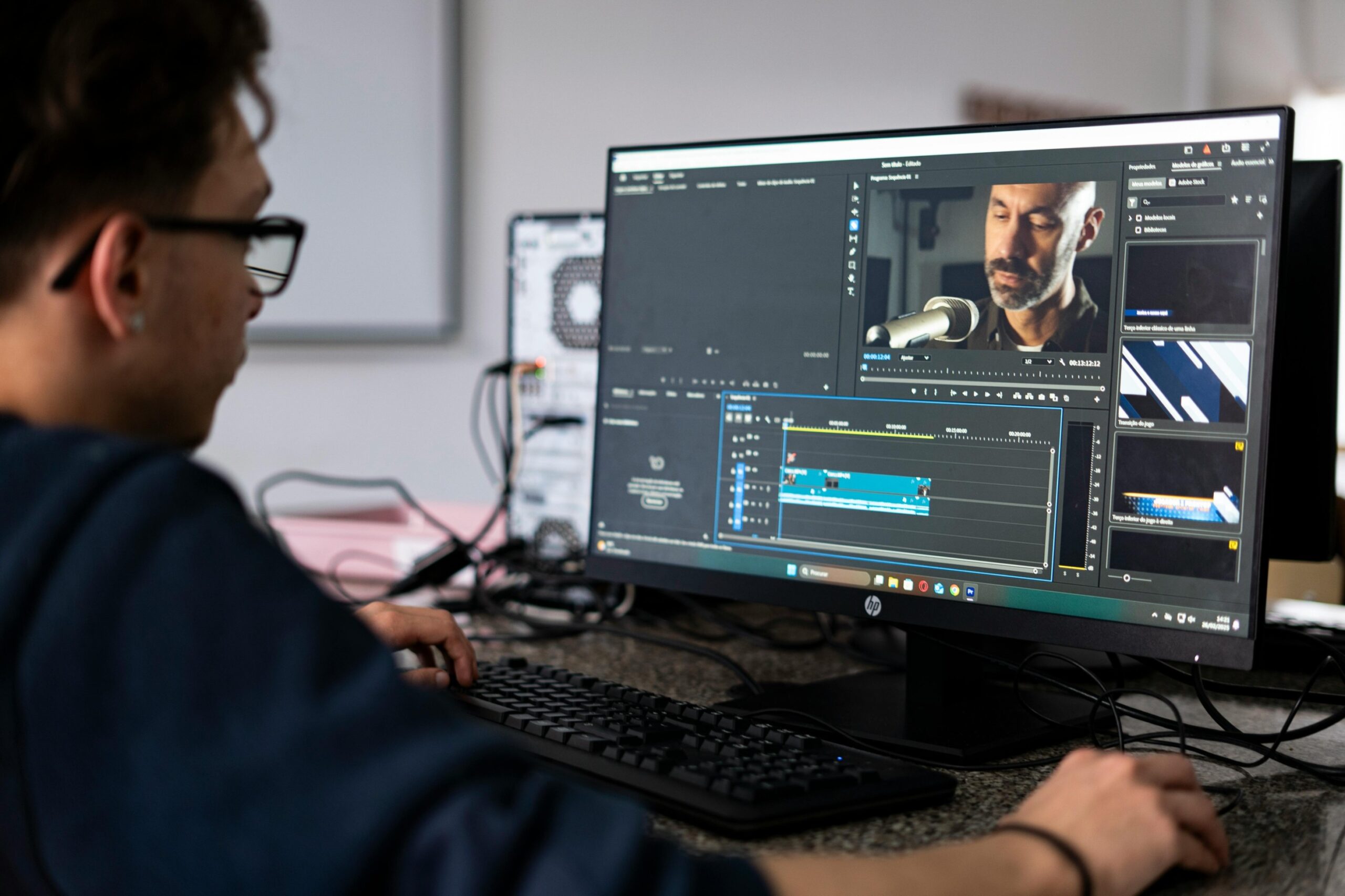
In today’s digital world, videos are one of the most powerful ways to promote your brand, engage audiences, and tell your story. Whether it’s a corporate video, product advertisement, YouTube vlog, or social media reel — professional video editing makes all the difference in how your content is perceived.
But not all video editing is the same. Businesses often get confused between basic video editing and advanced video editing services. Both serve important purposes, but they differ in terms of complexity, creativity, and overall impact.
Let’s explore the main differences between basic and advanced video editing services and how to choose the right one for your needs.
What Is Basic Video Editing?
Basic video editing focuses on cleaning, trimming, and organizing your raw footage to make it simple, clear, and watchable. It’s suitable for videos that don’t require heavy visual effects or complex storytelling — for example, short social media clips, interviews, tutorials, or corporate updates.
Key tasks in basic video editing include:
- Trimming and Cutting – Removing unwanted parts of the video to keep only the important scenes.
- Merging Clips – Joining multiple video clips together in a smooth sequence.
- Color Correction (Light Adjustment) – Adjusting brightness and contrast for visual balance.
- Basic Transitions – Using simple transitions like fade-in, fade-out, or slide.
- Text and Titles – Adding simple text overlays, captions, and credits.
- Background Music – Inserting background music or voiceover for better flow.
Basic editing is quick and affordable. It’s ideal for businesses or creators who need to publish consistent content without spending too much on post-production.
What Is Advanced Video Editing?
Advanced video editing takes things to the next level. It involves creative storytelling, visual effects, sound design, and color grading that make a video look cinematic and professional.
This type of editing is used for commercial ads, brand films, music videos, promotional videos, explainer videos, or documentaries — where the goal is to deeply engage and impress the audience.
Key tasks in advanced video editing include:
- Color Grading – Enhancing the mood and tone with cinematic color styles.
- Motion Graphics and Animation – Adding moving graphics, logo animations, and visual effects.
- Advanced Transitions and Visual Effects (VFX) – Using creative transitions, overlays, and special effects for visual appeal.
- Multi-Camera Editing – Syncing footage from different cameras for a smooth final output.
- Sound Mixing and Enhancement – Balancing dialogues, background music, and ambient sound for professional quality.
- 3D Effects and Compositing – Creating 3D visuals or blending multiple visual layers for dynamic impact.
- Storyboarding and Scripting Support – Structuring your video narrative for better storytelling.
Advanced video editing is time-consuming and requires expert skills, creative direction, and professional software like Adobe Premiere Pro, After Effects, DaVinci Resolve, or Final Cut Pro.
Key Differences Between Basic and Advanced Video Editing
| Aspect | Basic Editing | Advanced Editing |
| Purpose | To make videos clean and watchable | To make videos cinematic, creative, and engaging |
| Techniques Used | Cutting, merging, light transitions, and simple text | Color grading, animations, motion graphics, and VFX |
| Time Required | Usually completed in a few hours | May take several days depending on project scope |
| Skill Level | Can be done by beginner or mid-level editors | Requires experienced editors and creative professionals |
| Software Used | iMovie, Filmora, or basic Premiere tools | Adobe After Effects, DaVinci Resolve, Final Cut Pro |
| Cost | Affordable and budget-friendly | Higher cost due to advanced tools and expertise |
| Best For | Short videos, social posts, tutorials | Commercials, brand films, ads, and storytelling videos |
When Should You Choose Basic Video Editing?
Basic editing is perfect for businesses or creators who need quick, clean, and consistent videos without complex visuals.
Choose basic editing when:
- You’re creating short social media videos or reels.
- The goal is to share information, not storytelling.
- You need fast turnaround times.
- You’re working on a limited budget.
- You don’t require special effects or animation.
For example, if you’re posting product demos or quick company updates on Instagram or YouTube, basic editing is more than enough.
When Should You Choose Advanced Video Editing?
Advanced editing is the right choice when you want your video to stand out and leave a lasting impression.
Choose advanced editing when:
- You’re producing a promotional brand video or commercial ad.
- You need motion graphics, animation, or special effects.
- You want to tell a story or build an emotional connection with your audience.
- You’re targeting professional audiences or high-value clients.
- You want your brand to look polished, modern, and creative.
For instance, a startup launching a new app or a company producing a brand story video should always go for advanced editing to ensure top-quality visuals and sound.
Why Choosing the Right Editing Level Matters?
The quality of your video directly reflects the quality of your brand. Even if you have great footage, poor editing can make your content look unprofessional.
Choosing between basic and advanced video editing depends on your goals, budget, and audience expectations. A good video editing service provider can help you decide which option gives the best return on your investment.
Remember, videos are not just about visuals — they’re about storytelling, engagement, and brand impact. Advanced editing adds that emotional depth and professionalism that can make viewers remember your brand.